Career Pathways in International Arbitration: Counsel, Arbitrators, and Experts


On 12 February 2026, at the Ciarb London HQ, seasoned and young practitioners, students, and institutions came together to explore exactly that.
Posted 16th Mar, 2026
On 12 February 2026, at the Ciarb London HQ, seasoned and young practitioners, students, and institutions came together to explore exactly that.
Posted 16th Mar, 2026
What does it take to build a career in international arbitration?
On 12 February 2026, at the Chartered Institute of Arbitrators (Ciarb) London HQ, seasoned and young practitioners, students, and institutions came together to explore exactly that.
Delivered in collaboration with the CIArb London Branch YMG and the European Law Students’ Association (ELSA United Kingdom), and supported by Secretariat as sponsor, the event aimed to provide clarity for those considering roles as arbitrators, counsel, or technical experts. On that front, the panellists delivered.
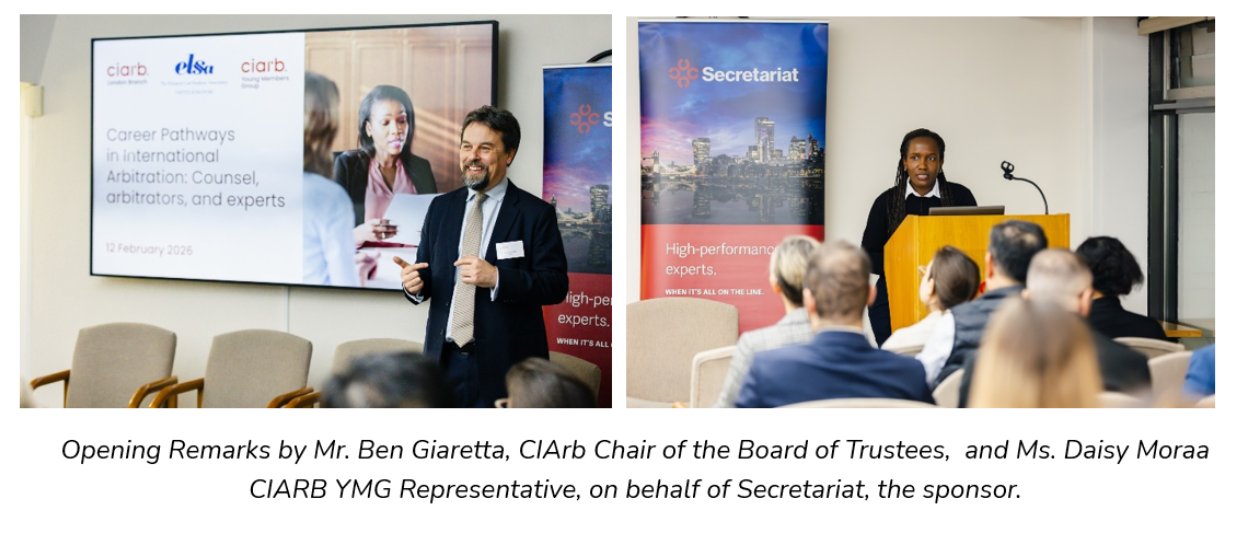
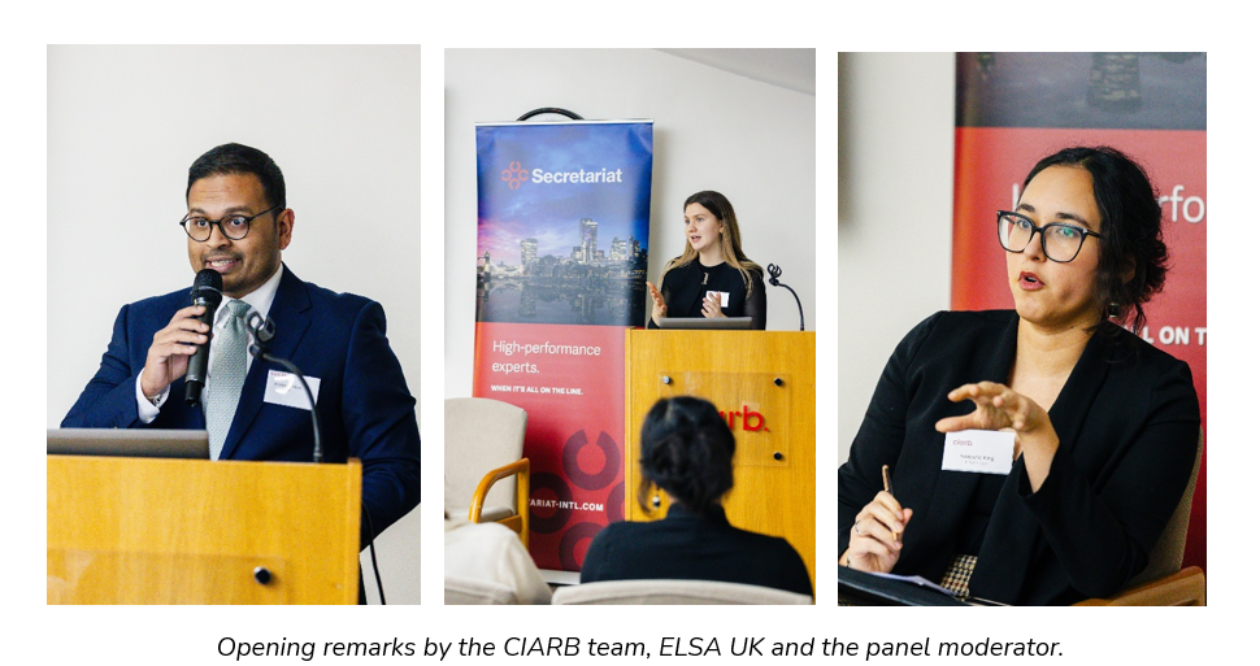
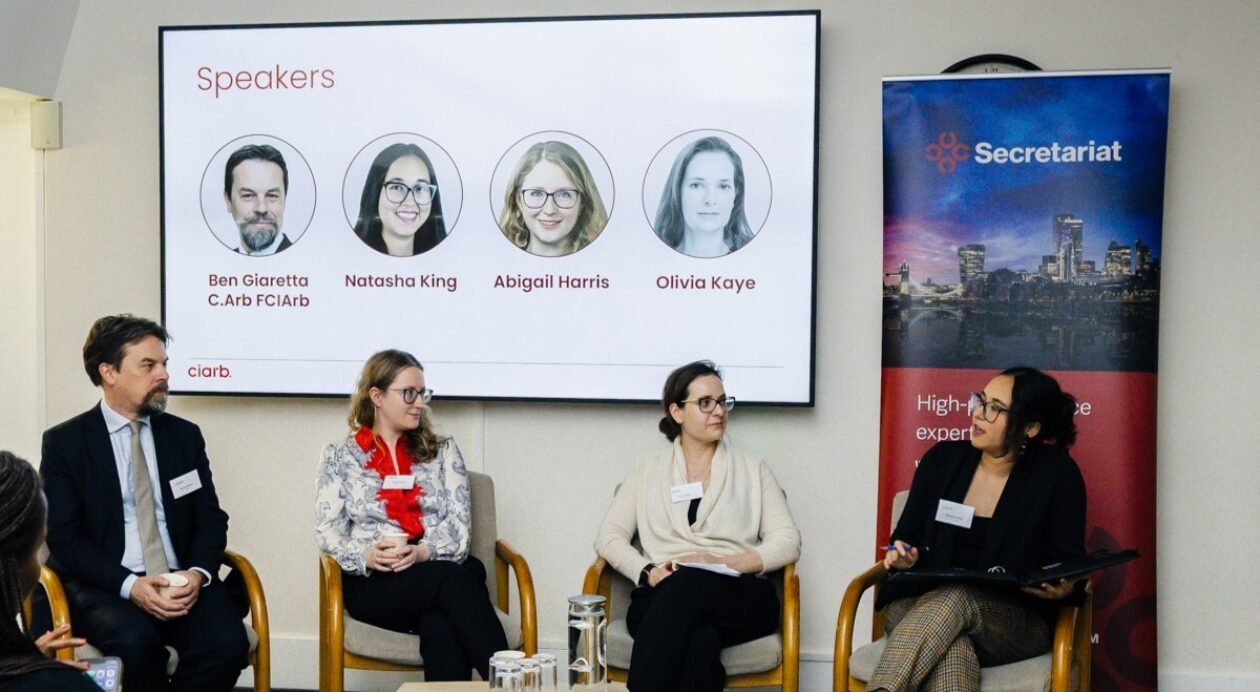
The discussion featured Ben Giaretta C.Arb FCIArb (CIArb Chair of the Board of Trustees) as arbitrator, Abigail Harris as expert (Secretariat), Olivia Kaye as counsel (Outer Temple), and was moderated by Aphiwan Natasha King (4 Pump Court).
Drawing from their professional experiences, the distinguished speakers explored:
Some practical insights for those seeking to build a career in international arbitration included:
1). Seek international exposure where possible. Cross-border work experience builds cultural fluency and a broader understanding of how arbitration operates across jurisdictions. Exposure to hubs beyond London such as Singapore and Dubai can be transformative in the evolving arbitration landscape.
2). Say yes to opportunities even when the path is not linear. Smaller matters often lay the foundation for more complex disputes.
3). Follow genuine interests as these often shape your specialism. You do not need a perfectly mapped plan. What matters is building experience progressively.
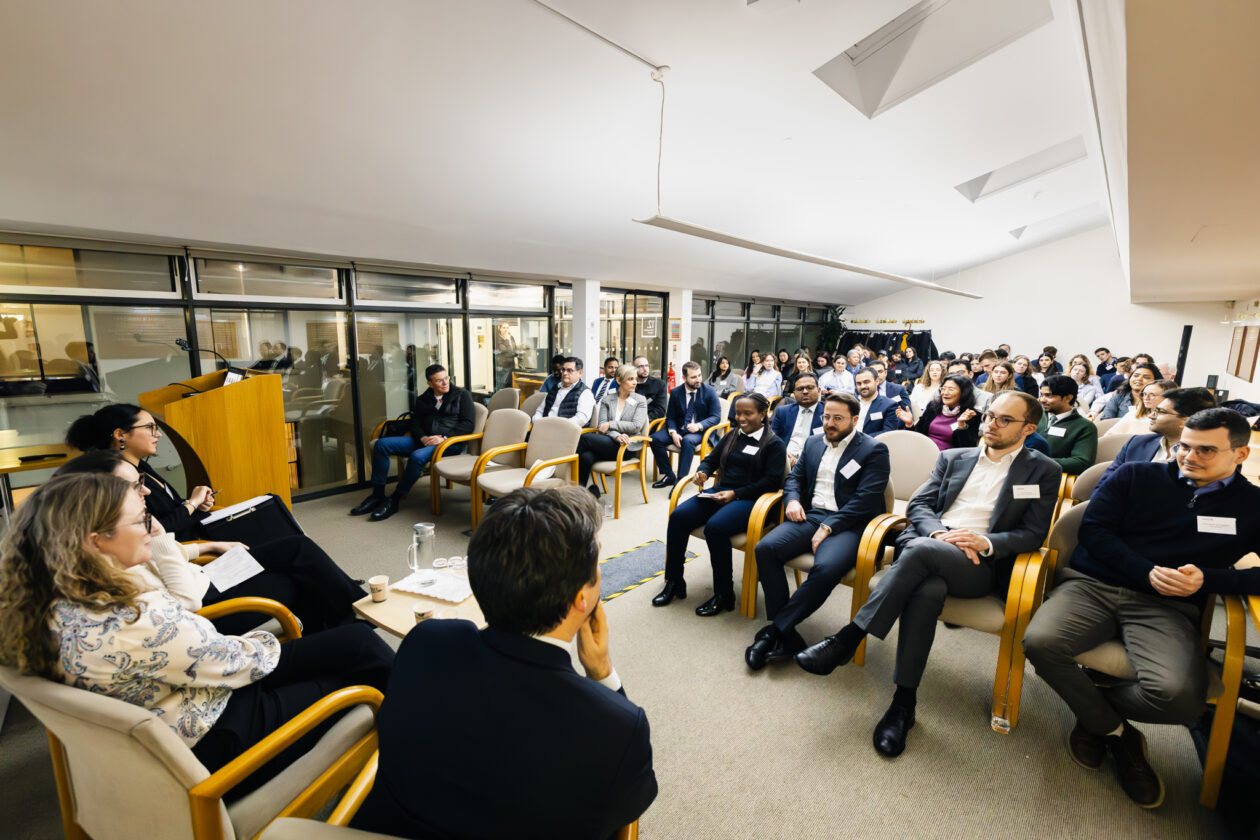
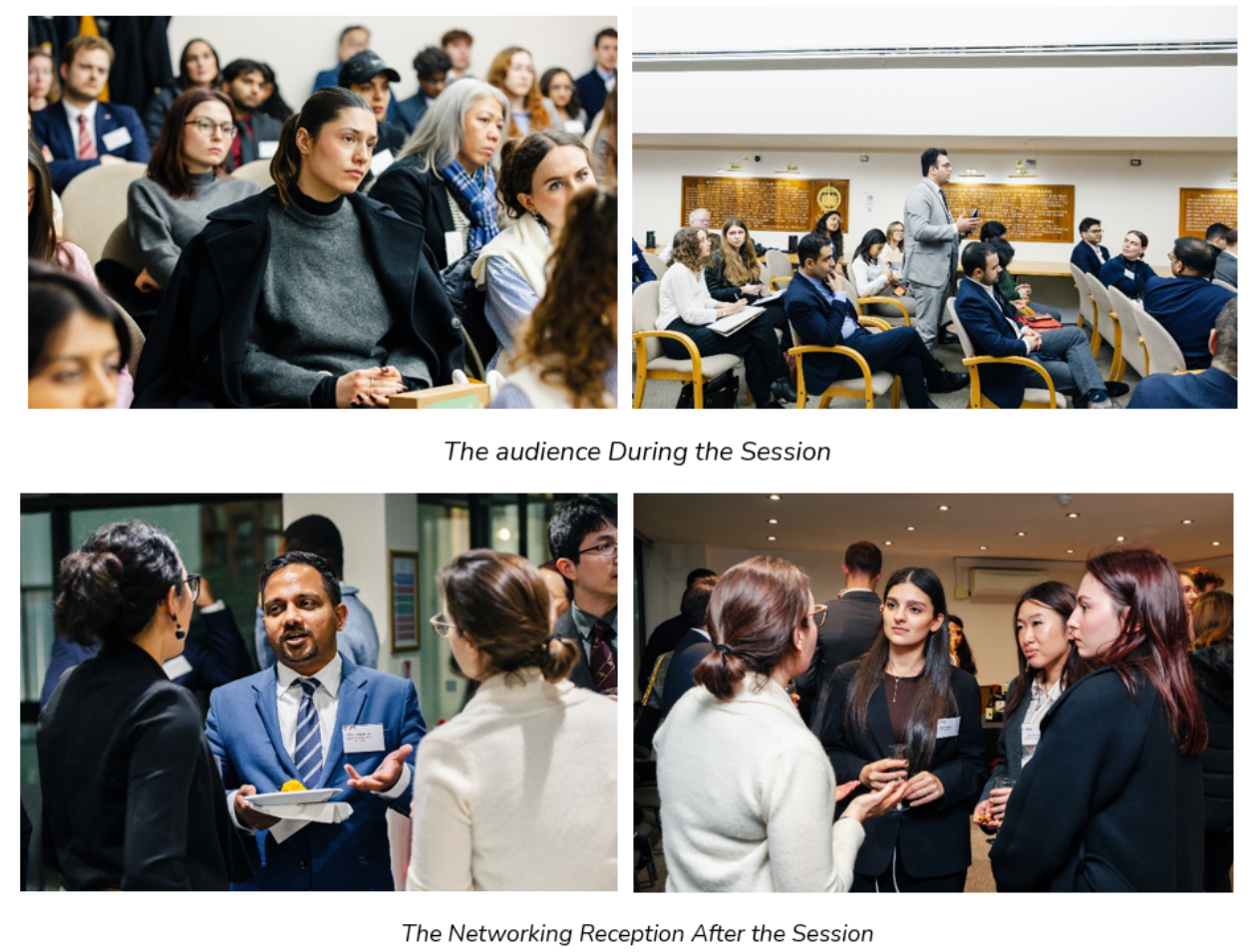
The strong turnout, the level of engagement during the Q&A session, and the many attendees who stayed on for the networking reception afterwards were a strong indicator that creating spaces where emerging practitioners can gain clarity about careers in international arbitration remains important to the future of the profession.
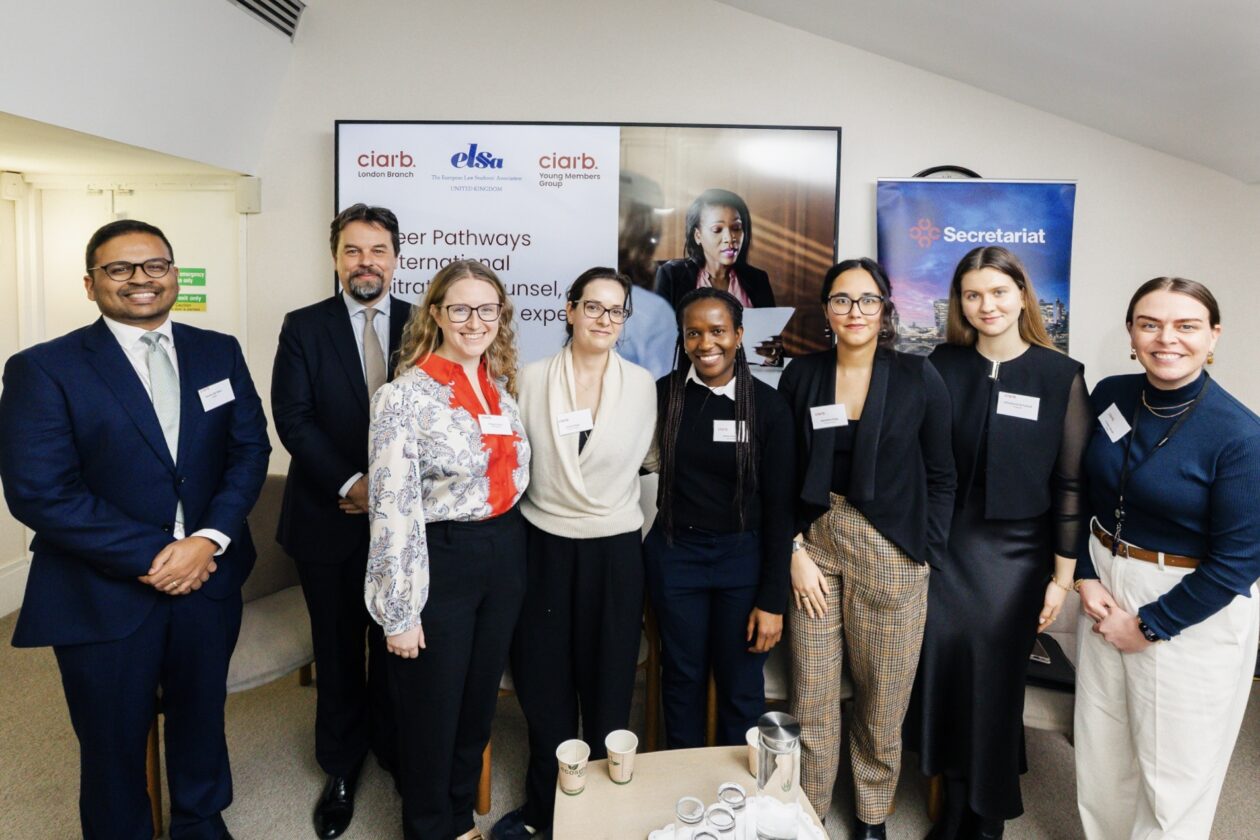
The event organisers were: Aruna de Silva, Arushi Kaulaskar, Andrea Isabel Vílchez Martínez, and Catriona Gallagher from CIArb HQ; Daisy Moraa and Aphiwan Natasha King on behalf of the London CIArb YMG Committee; and Khrystyna Dmytruk on behalf of ELSA UK.